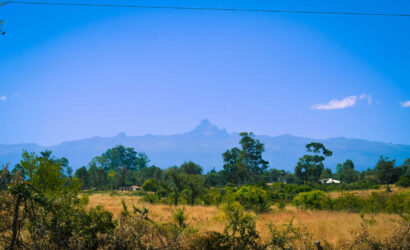
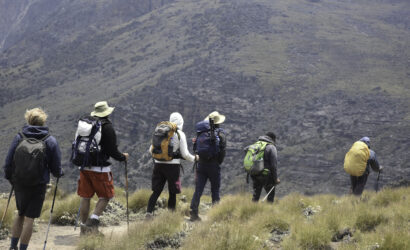
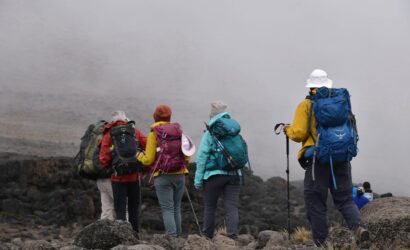
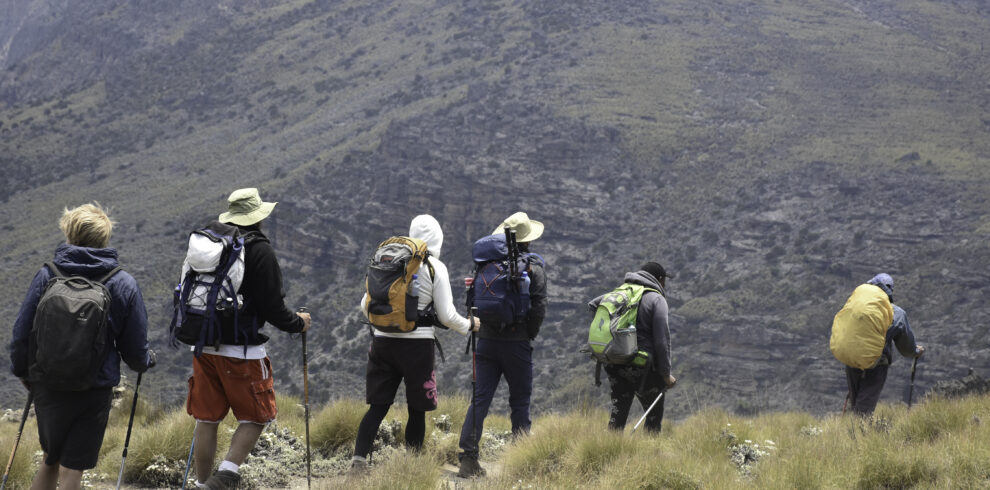
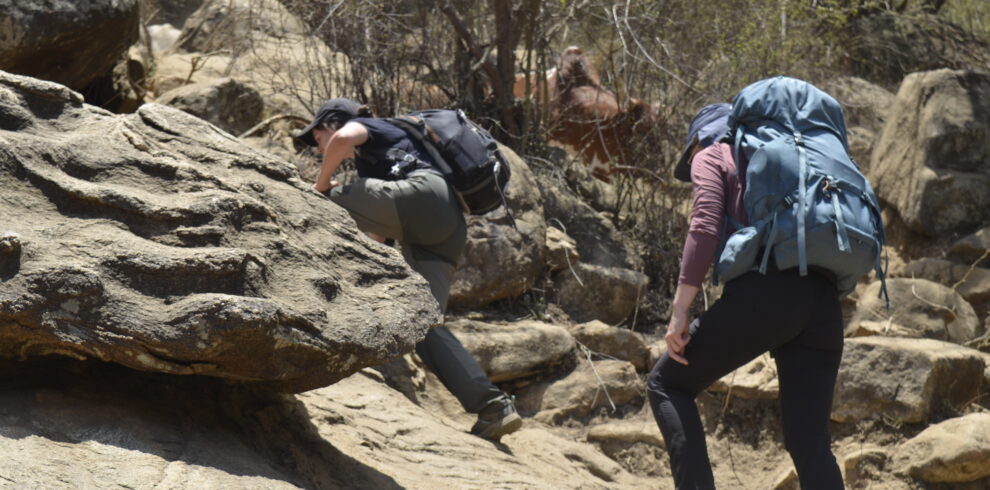
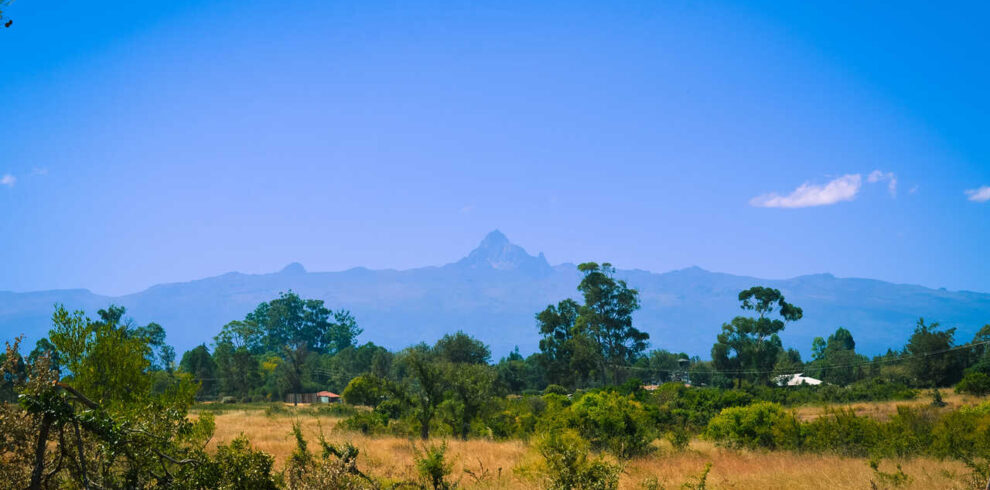
The 5-day Marangu Route is one of the most popular Kilimanjaro itineraries and is the only Kilimanjaro route with permanent hut accommodation. It approaches Kilimanjaro from the southeast and passes through rainforest, moorland, alpine desert and the high-altitude summit zone.
Important: The 5-day itinerary does not include an acclimatization day at Horombo. If the schedule allows, a 6-day Marangu Route is generally preferable because it gives you an additional acclimatization night before going to Kibo
Itinerary
Day 1 :
DAY 1: MARANGU GATE – MANDARA HUT
Altitude: 1,860 m → 2,720 m Distance: Approximately 8 km Walking time: 4–5 hours Habitat: Montane rainforest Accommodation: Mandara Hut Meals: Lunch & Dinner
After breakfast in Moshi, you drive to Marangu Gate, where you complete park registration and meet your mountain crew.
The trek begins through the beautiful montane rainforest. The trail is generally gradual and well established, making this a relatively easy first day.
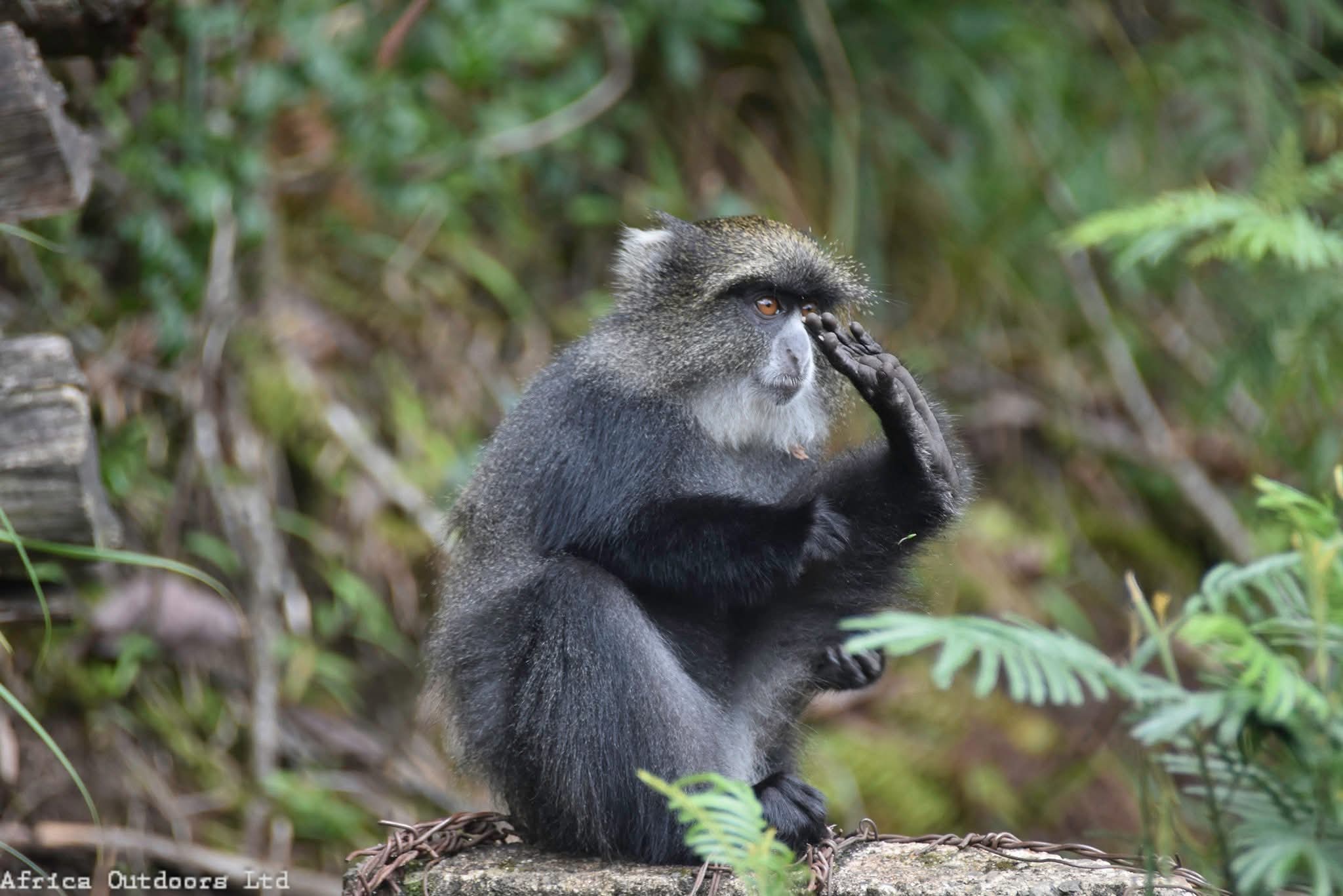
You may encounter birds, monkeys and other forest wildlife along the way. As you gain elevation, the vegetation gradually changes.
After approximately 4–5 hours, you arrive at Mandara Hut, located around 2,700–2,720 m.
After settling into your hut, you can take a short optional walk toward Maundi Crater if time and weather permit.
Overnight: Mandara Hut – 2,720 m.
Day 2 :
DAY 2: MANDARA HUT – HOROMBO HUT
Altitude: 2,720 m → 3,720 m Distance: Approximately 12 km Walking time: 6–8 hours Habitat: Moorland/heath Accommodation: Horombo Hut Meals: Breakfast, Lunch & Dinner
Wake up early and have breakfast before beginning the trek toward Horombo Hut.
The trail initially continues through forest before gradually opening into the heath and moorland zone. The landscape becomes more open, and you begin to see distinctive Kilimanjaro vegetation such as giant lobelias and groundsels.
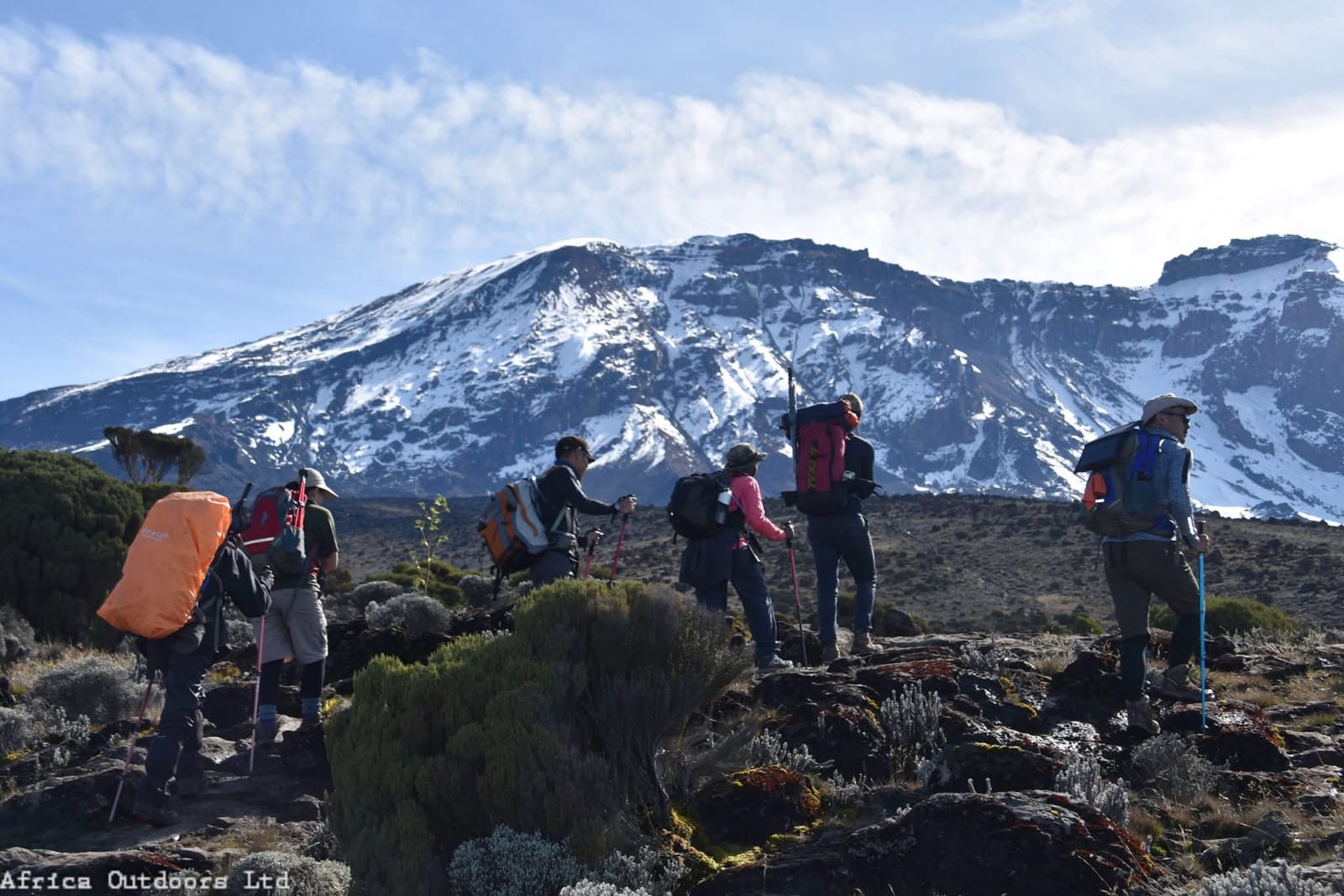
As you climb higher, spectacular views of Mawenzi Peak and eventually Kibo Peak appear.
This is an important altitude-gain day, so the recommended pace is “pole pole” — slowly and steadily.
You arrive at Horombo Hut, situated at approximately 3,720 m. This is normally the busiest hut complex on the route.
Spend the evening resting, hydrating and preparing for the next day's climb.
Overnight: Horombo Hut – 3,720 m.
Day 3 :
DAY 3: HOROMBO HUT – KIBO HUT
Altitude: 3,720 m → 4,703 m Distance: Approximately 9–10 km Walking time: 6–7 hours Habitat: Alpine desert Accommodation: Kibo Hut Meals: Breakfast, Lunch & Dinner
After breakfast, you leave Horombo and begin crossing the broad high-altitude area known as the Saddle, situated between Mawenzi Peak and Kibo Peak.
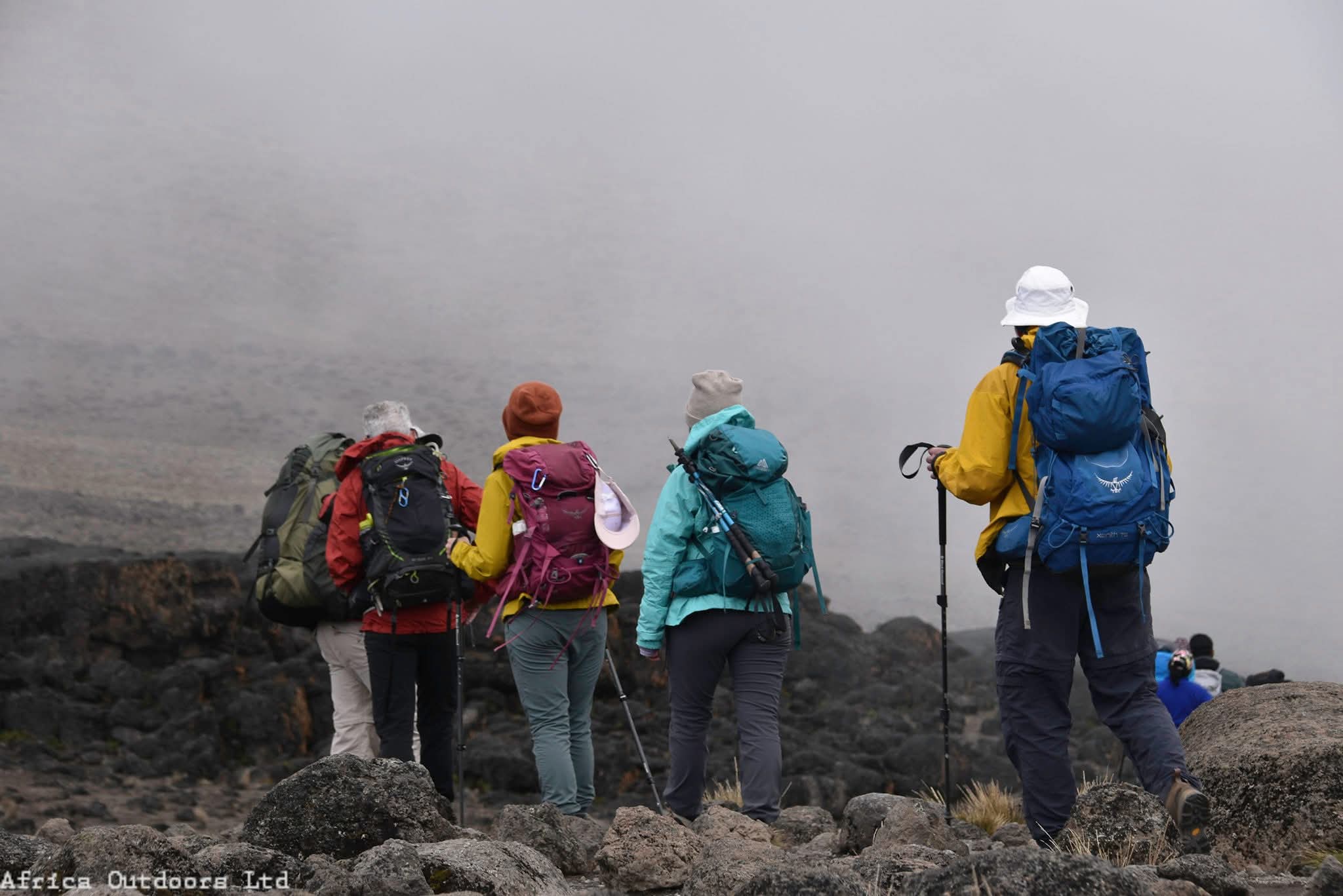
The landscape changes dramatically. Vegetation becomes increasingly sparse, and the terrain becomes dry, rocky and exposed.
There is little shade on this section, so sun protection and adequate water are important.
The final section takes you toward Kibo Hut at approximately 4,703 m, the final overnight stop before the summit.
Upon arrival, you have an early dinner and prepare your summit equipment.
Because the summit attempt begins around midnight, the aim is to rest as much as possible during the evening.
Overnight: Kibo Hut – 4,703 m.
Day 4 :
DAY 4: KIBO HUT – UHURU PEAK – HOROMBO HUT
🏔️ SUMMIT DAY
Starting altitude: 4,703 m Uhuru Peak: 5,895 m Horombo: 3,720 m Distance: Approximately 18–21 km Walking time: 12–16 hours Meals: Breakfast, Lunch & Dinner
This is the most challenging and rewarding day of the expedition.
Around midnight
Wake up, have a light meal and prepare for the summit climb.
You begin climbing in darkness using headlamps. The trail becomes considerably steeper as you ascend the rocky slopes toward the crater rim.
The pace is deliberately slow because of the extreme altitude.
Kibo Hut → Gilman's Point
You climb toward Gilman's Point, located on the crater rim at approximately 5,700 m.
From here, you continue along the crater rim toward the summit.
Gilman's Point → Uhuru Peak
Continue across the crater rim toward Uhuru Peak, the highest point in Africa, at approximately 5,895 m.
At the summit, take time for photographs and enjoy the incredible views when weather conditions allow.
Descent to Horombo
After reaching Uhuru Peak, begin the descent back toward Kibo Hut.
Take a short rest and collect your belongings before continuing down across the Saddle toward Horombo Hut.
The descent is long, but reaching the lower altitude of Horombo provides significant relief after the summit.
Overnight: Horombo Hut – 3,720 m
Day 5 :
DAY 5: HOROMBO HUT – MARANGU GATE
Altitude: 3,720 m → 1,860 m Distance: Approximately 18 km Walking time: 5–7 hours Habitat: Moorland → rainforest Meals: Breakfast & Lunch
After breakfast, begin the final descent from Horombo Hut.
You retrace the trail through the moorland and heath zones before entering the lush rainforest around Mandara.
Continue downhill until you reach Marangu Gate, where you complete the park exit procedures.
After signing out, you meet your vehicle and transfer back to Moshi for a well-earned rest.
End of the Kilimanjaro climb.
Cost
The Cost Includes
Airport transfers from/to Kilimanjaro International Airport (JRO), if included in your package
All meals on the mountain: breakfast, lunch and dinner
Drinking water during the trek
Cook and mountain crew
Government taxes and park levies
Pre-climb briefing and trek preparation
Emergency ground evacuation assistance
Summit attempt to Uhuru Peak (5,895 m)
Certificate of achievement for successful summiters
The Cost Excludes
International flights
Visa fees
Travel insurance
Personal medical expenses
Personal medication
Tips for guides, porters and other mountain crew
Sleeping bag, unless specifically provided in your package
Personal hiking equipment and clothing
Trekking poles, unless provided
Alcoholic and soft drinks
Hotel accommodation in Moshi before/after the trek, unless specified
Meals outside the mountain package
Laundry services
Wi-Fi/internet expenses
Personal shopping and souvenirs
Extra accommodation or meals caused by an extended stay
Helicopter evacuation or specialized air rescue, if required
Any expenses arising from early descent or changes to the itinerary for personal reasons
All About Your Trek
Embark on an exhilarating trekking journey that immerses you in the pristine beauty of nature and the rich cultural heritage of the region. This trek offers a perfect blend of adventure, breathtaking scenery, and meaningful local encounters, making it an ideal choice for those seeking to connect deeply with the environment and people.
Route & Terrain: The trek covers a diverse landscape, ranging from dense forests and terraced fields to rocky mountain paths and high-altitude meadows. You’ll traverse well-marked trails that challenge your endurance while rewarding you with spectacular panoramic views. Some sections may involve steep ascents and descents, so a good level of physical fitness and stamina is recommended.
Duration & Pace: This trek typically lasts [X days], allowing you to enjoy a balanced pace that combines daily trekking with time to rest and explore local villages. Each day’s walk averages between 4 to 7 hours, giving you ample opportunity to soak in the scenery and capture stunning photographs.
Accommodation & Facilities: Overnight stays are arranged in traditional teahouses or mountain lodges, offering basic yet comfortable amenities. These cozy accommodations provide a chance to experience the warmth of local hospitality, enjoy hearty home-cooked meals, and recharge for the next day’s trek.
Cultural Experience: Beyond the natural beauty, this trek provides a unique window into the life of indigenous communities. You’ll meet friendly locals, learn about their customs, traditions, and way of life, and perhaps even participate in cultural activities or festivals depending on the timing of your visit.
Best Time to Visit: The optimal trekking seasons are during the spring months of March to May and the autumn months of September to November. During these periods, the weather is generally clear and stable, with moderate temperatures and minimal rainfall, ensuring safer trekking conditions and breathtaking visibility.
Preparation & Packing Tips: To make the most of your trek, pack wisely. Essential items include sturdy trekking boots, layered clothing for fluctuating temperatures, rain gear, sun protection such as hats and sunscreen, a reusable water bottle, and personal medication. It’s advisable to keep your backpack light and prioritize comfort and functionality.
Health & Safety: Your safety is our utmost priority. The trek is guided by experienced professionals who are well-versed in mountain safety and first aid. They continuously monitor weather and trail conditions to ensure a secure experience. Remember to stay hydrated, pace yourself, and communicate any discomfort to your guide immediately.
Environmental Responsibility: We encourage all trekkers to practice responsible tourism by minimizing waste, respecting wildlife, and preserving the natural environment. Carry out all trash, avoid disturbing flora and fauna, and support local conservation efforts by purchasing souvenirs directly from artisans.
Additional Support: Should you have any specific requirements or need assistance in planning your trek, our team is available to provide personalized advice and support. We also offer options for porter services or mule assistance to help carry your luggage, making your trek more comfortable.